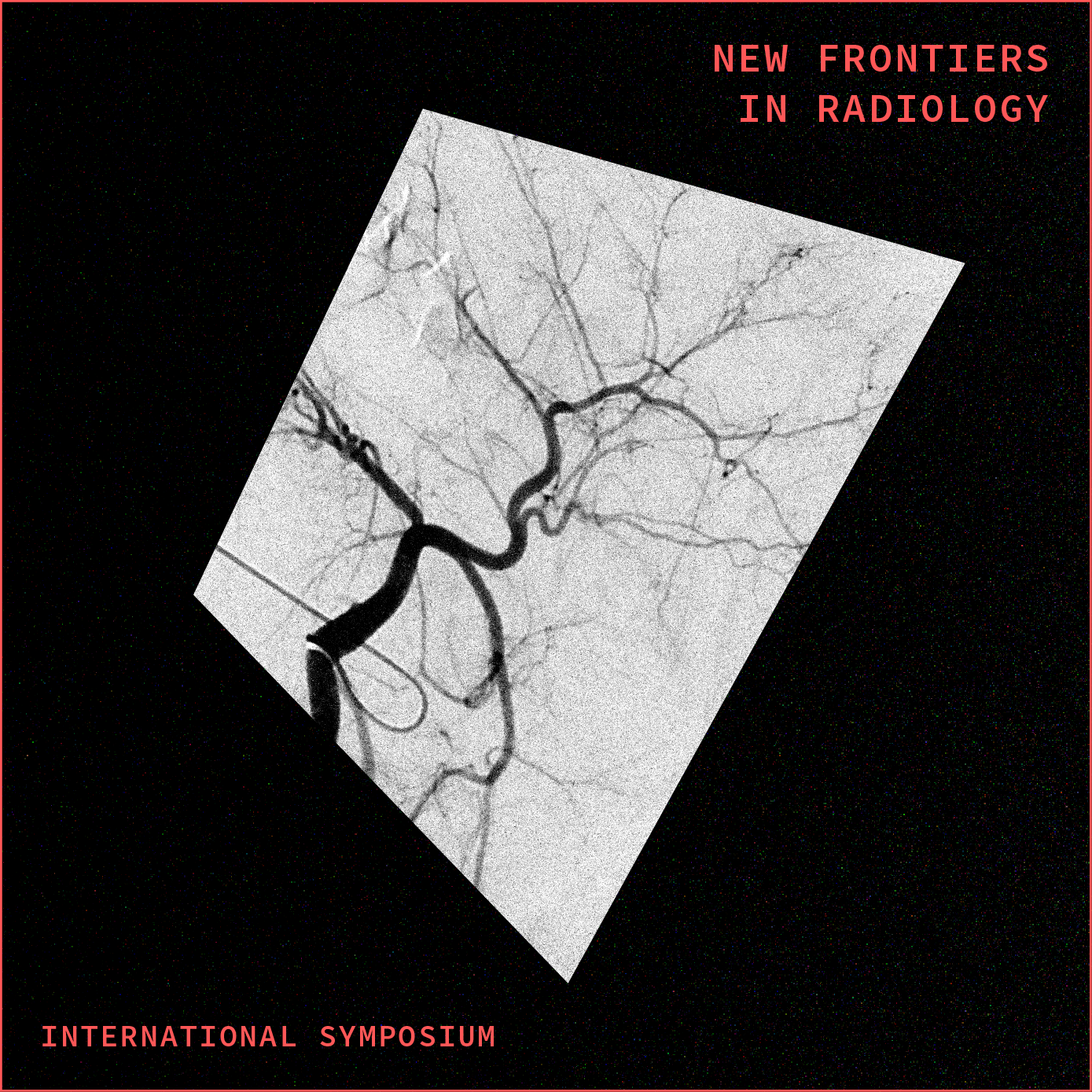
O simpósio reunirá especialistas nacionais e internacionais para explorar a evolução dinâmica desta área, com especial destaque para a crescente colaboração entre a radiologia e a cirurgia.
A radiologia diagnóstica e de intervenção está atualmente a atravessar uma fase de profunda transformação. Novas metodologias de imagem estão a redefinir os níveis de precisão e capacidade diagnóstica, alcançando padrões de exatidão e eficácia clínica sem precedentes. Inovações como a tecnologia de tomografia computorizada com contagem de fotões e os protocolos de ressonância magnética ultrarrápida estão a expandir significativamente as fronteiras da imagiologia médica.
Paralelamente, o rastreio radiológico do cancro está a abrir novas perspetivas para o diagnóstico precoce e para a melhoria dos resultados clínicos, contribuindo para a redução da mortalidade.
A radiologia de intervenção, enquanto pilar da medicina minimamente invasiva, continua a ampliar o seu papel terapêutico, oferecendo um leque crescente de opções de tratamento menos invasivos e que promovem uma recuperação mais rápida.
Contamos consigo, em Lisboa, para este encontro científico.
Programa
8:30 – 9:00 - Introdução e Boas Vindas
Leonor Beleza - Presidente, Fundação Champalimaud
João Silveira Botelho - Vice-Presidente, Fundação Champalimaud
Gotz M. Richter - Director, Department of Diagnostic and Interventional Radiology, Fundação Champalimaud
9:00 – 11:00 - Sessão 1 - Diagnostic Radiology
Moderators: Markus Büchler & Patrick Krumm
- Radiologic Screening for Lung Tumors: Where are we? (Mathias Prokop, Radboud University Medical Center)
- Photon Counting CT for the Cardiovascular System: No More Coronary Angiography? (Patrick Krumm, University Hospital Tübingen)
- Photon Counting CT for Hepatobiliary Tumors: Better Detection – Better Treatment Planning? (Daniel Kuetting, Klinikum Stuttgart)
- Fast Imaging Protocols in MRI: a Gimmick or a Revolution in Patient Service? (Sílvia Dias Almeida, Siemens Healthineers)
- Pancreatic Neoplasms in Multidisciplinary Settings: What is the Role of Radiologists and How to Navigate Efficiently? (Hyun-Jung Jang, University of Toronto/UHN)
- Surgery and Radiology Need a One-Team-Approach (Markus Büchler, Botton-Champalimaud Pancreatic Cancer Centre)
Coffee Break (11:00 – 11:30)
11:30 – 12:30 - Session 2 - AI for Diagnostic Radiology
Moderators: Elmar Kotter & Celso Matos
- Radiology at the Forefront in AI Use for Modern Medicine (Elmar Kotter, University Hospital Freiburg)
- AI in Oncologic Diagnostics: Better and Faster than the Radiologist? (Nickolas Papanikolaou, Champalimaud Foundation)
- Best use cases of AI in Europe (Cornelius Benecke, AIDOC)
Lunch Symposium Break (13:00 – 14:00) - Impact of AI in Medical Diagnostics - Today and the Future (Sun Yipeng, United Imaging Intelligence)
14:00 – 16:00 - Sessão 3. Interventional Radiology
Moderators: Thomas Helmberger & Inês Conde Vasco
- Interventional Oncology for Metastatic Disease of the Liver (Thomas Helmberger, Munich’s Klinik Bogenhausen)
- 3D-Stereotactic Guidance: Where is the Benefit (Stefan Weber, Cascination)
- Immune Responses after Local Ablation Therapies: the Good or the Bad (Lynn Jeanette Savic, University Medicine Berlin)
- MSK Embolizations: a New Frontier (Marcus Katoh, Helios Klinikum)
- Fibroid and Prostate Embolization are Disruptive Modalities (Götz Richter, Champalimaud Foundation)
- How to Deal with Chronic Mesentericoportal Obstruction (Thiago Bilhim, NOVA Medical School)
Coffee Break (16:00 – 16:30)
16:30 – 17:45 - Sessão 4. Interventional Radiology
Moderators: Philipp Geisbüsch & Fabrizio Fanelli
- What Holds the Future for Arterial Vascular Revascularization? (Fabrizio Fanelli, Careggi University Hospital)
- What is the Benefit of Interventional Radiology for Abdominal Surgery (Jörg Köninger, Klinikum Stuttgart)
- The Future of Endovascular Aortic Repair in Acute Aortic Syndromes (Philipp Geisbüsch, Klinikum Stuttgart)
- Challenges and Solutions for Chronic Type B Aortic Dissections (Götz Richter, Champalimaud Foundation)
17:45 Conclusão e mensagem de encerramento
Registo
Os registos estão abertos.
Local
Auditório da Fundação Champalimaud, Lisboa, Portugal
26 de junho, 2026