
19 to 19 Feb. 2026 - 12:00
Cytokine–Microbiota Circuits in Gut Development and Regeneration: Insights from Zebrafish
Pedro Pablo Hernández Cerda, PhD, Inserm Researcher - Institut Curie, Paris
19 to 19 Feb. 2026 - 12:00
Pedro Pablo Hernández Cerda, PhD, Inserm Researcher - Institut Curie, Paris
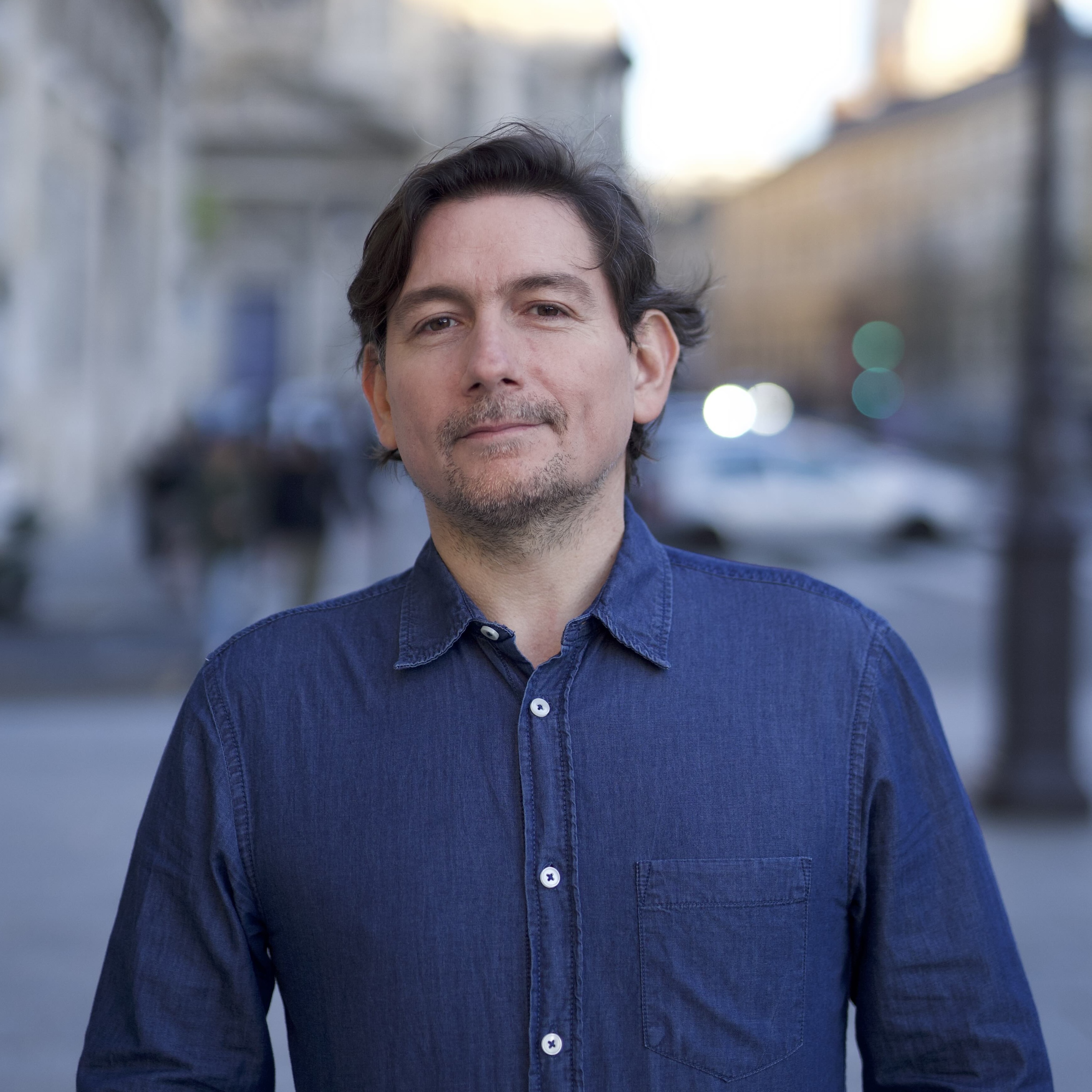
Rita Fior, PhD, Cancer Development and Innate Immune Evasion Lab
Seminar Room
We study how host–microbiota interactions build and rebuild gut function using zebrafish larvae and gnotobiotic tools. The microbiota is known to shape gut development and physiology, but the mediators linking microbial cues to host function remain unclear. We identify IL-22 and IL-26 as key cytokines that shape microbiota composition to control epithelial homeostasis and intestinal physiology during development. We uncover distinct cytokine sources in early life. IL-22 is produced primarily by epithelial enteroendocrine cells, whereas IL-26 is produced by a small, developmentally emerging population of innate lymphocytes. We also established a severe gut injury model in which the intestine functionally regenerates through rapid epithelial remodeling, including reattachment and lumen restoration. In this model, IL-22 and IL-26 exert opposing effects during regeneration. We are now defining the cellular and molecular programs that link cytokines and microbiota to gut development, function, and regeneration after injury.
Pedro Hernández is a group leader at Institut Curie in Paris, where he leads the Development and Homeostasis of Mucosal Tissues laboratory. He began his research career in Chile using zebrafish to study sensory neuron damage and regeneration, then completed his PhD in Germany, where he used mouse models to investigate how innate lymphoid cells protect intestinal epithelial integrity. During his postdoctoral work at the Institut Pasteur in France, he uncovered the existence and diversity of innate lymphoid cells in zebrafish.
Today, his team works at the interface of immunology and developmental biology to understand how organism–environment interactions—centered on host–microbiota communication—shape tissue dynamics to both establish organ function during development and restore it after injury. Using zebrafish genetics, gnotobiotic approaches, and in vivo functional readouts, his lab investigates how microbial cues link to host programs in the gut across development and injury-induced regeneration.
Register here.
Champalimaud Research (CR) Colloquia Series is a seminar programme organised by the Champalimaud Centre for the Unknown to promote the discussion about the most interesting and significant questions in neuroscience and physiology & cancer with appointed speakers by the CR Community.
