
19 Mar. 2026 - 12:00
Investigating the Functional Heterogeneity of Hepatic Macrophages
Charlotte Scott, PhD, VIB-UGent Center for Inflammation Research
19 Mar. 2026 - 12:00
Charlotte Scott, PhD, VIB-UGent Center for Inflammation Research
Ana Luísa Correia, PhD, Cancer Dormancy & Immunity Lab
Seminar Room
Incidences of MASLD, the hepatic manifestation of metabolic syndrome, are increasing at alarming rates. This, coupled with the relative paucity of therapies available, highlights the need for additional research into the mechanisms at play and possible therapeutic strategies. Macrophages are considered to be key drivers of MASLD pathogenesis; however, the precise roles of these cells remain enigmatic. Recent studies using single cell technologies have demonstrated that the macrophage pool in MASLD is highly heterogeneous. One population that has caught our attention are the lipid-associated macrophages (LAMs). These macrophages are specifically recruited to zones of steatosis and fibrosis, and their prevalence correlates with disease severity. However, functional studies of LAMs have yielded contradictory data, where LAMs are proposed to both drive and resolve fibrosis. Moreover, while Kupffer cells (KCs), the resident macrophages of the liver are reduced in MASLD, the functional relevance of these cells and this reduction in KC numbers remains unclear. Thus, understanding the roles of these cells in MASLD pathogenesis is a key goal for the Scott lab and will be the focus of this talk.
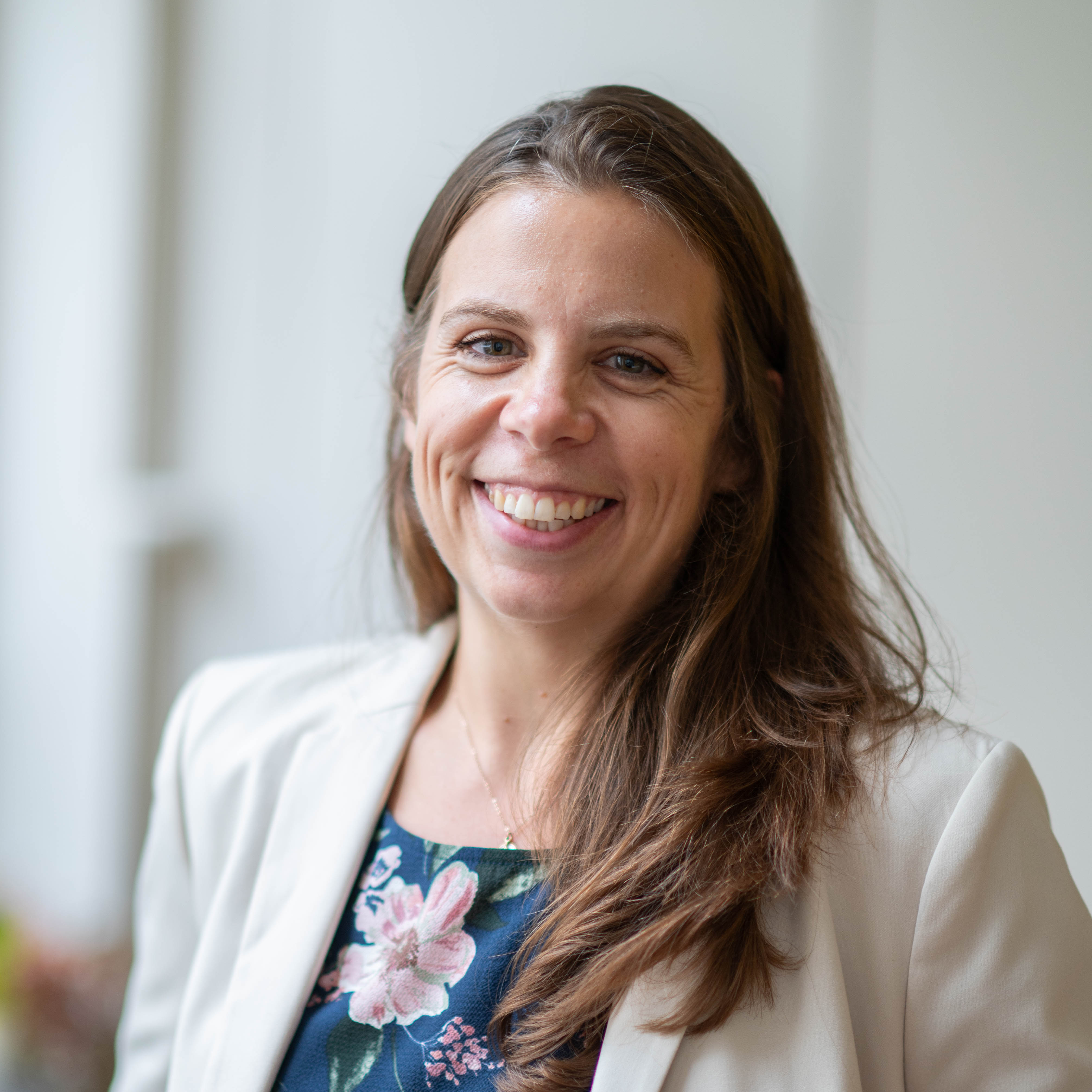
Charlotte obtained her PhD in the lab of Prof. Allan Mowat at the University of Glasgow, where she investigated intestinal Dendritic cells. This sparked an interest in myeloid cells and the factors governing their heterogeneity across tissues. She then moved to Belgium for a postdoc in the lab of Prof. Martin Guilliams where she investigated the role of ontogeny in Kupffer cells. This work identified a potential role for these cells in lipid metabolism and led her to start to investigate these cells in the context of obesity and fatty liver disease. In 2019, she was awarded an ERC StG to start her own lab at VIB-UGent to investigate the functional heterogeneity of myeloid cells in this context. She is currently an EMBO YIP and in 2023 she was awarded the Ita Askonas Prize for her work.
The Scott lab (https://scottlab.sites.vib.be/en#/) based at the VIB-UGent Center for inflammation research focuses on understanding the functional heterogeneity of myeloid cells in the context of tissue damage and inflammation. The lab focuses primarily on the liver investigating different modes of tissue injury, including fibrosis and steatotic liver disease, but also has projects on the lung, spleen and intestine. The lab utilizes state of the art multi-omics approaches including spatial transcriptomics, proteomics and lipidomics to investigate the heterogeneity of the different myeloid cells alongside different mouse models to investigate their unique functional contributions.
Register here.
Champalimaud Research (CR) Colloquia Series is a seminar programme organised by the Champalimaud Centre for the Unknown to promote the discussion about the most interesting and significant questions in neuroscience and physiology & cancer with appointed speakers by the CR Community.

