A conference to promote dialogue and explore every stage of the breast cancer journey
‘Breast Cancer 360º: From Prevention to Longevity’, opened with Leonor Beleza, President of the CF, highlighting the importance of addressing not only the disease itself, but also the uncertainty and concerns experienced by people facing a diagnosis or the possibility of developing breast cancer. Prevention and longevity emerged as key themes, reflecting the need to help people live well before, during and beyond treatment.
When talking about prevention and early detection in breast cancer, Andrea De Censi, Director of the CF’s Breast Department and group leader at the BCRP, emphasised the importance of shifting the focus from treating disease to preventing it wherever possible. As Andrea said, “For this to become a reality, there is a need to understand individual risk factors, such as family history, previous breast cancer and breast density and adapt preventive measures and screening accordingly”. In a panel discussion involving Andrea and a breast cancer patient, Ana Zita Gomes, the importance of trust and feeling supported throughout the healthcare journey was also highlighted. Mariana Correia, radiologist at the Breast Department and clinical researcher at the BCRP, talked about how personalised risk assessment and tailored imaging strategies, including MRI when appropriate, can guide surveillance for people at higher risk. João Santinha, group leader at the BCRP, explored the growing role of AI in breast imaging, mentioning: “AI can help identify lesions earlier, detect patterns that might otherwise go unnoticed and support the assessment of individual risk”. Both emphasised the potential of these tools to improve risk assessment and early diagnosis, while AI remains a support for radiologists, who are responsible for interpreting results and making clinical decisions.
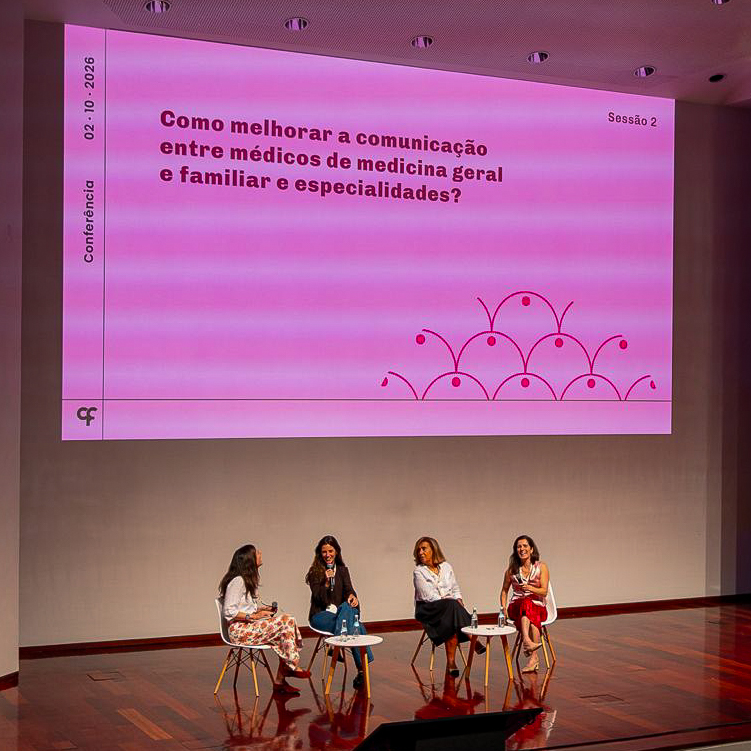
Following a diagnosis, patients often face an overwhelming flood of information just when they are most vulnerable. Clear, accessible and reliable explanations are therefore essential at this phase, as is the opportunity to ask questions and understand the options available. These challenges were explored by Leonor Matos, medical oncologist at the CF and clinical researcher at the BCRP, Margarida Graça Santos, general practitioner at ULS Lisboa Ocidental and Maria João Seabra, a breast cancer patient. Their discussion highlighted the difficulties of sharing information across healthcare settings, particularly when patients turn to online sources where misinformation can be widespread. Strengthening communication between oncologists and general practitioners, while improving health literacy, can help patients navigate the healthcare system and make informed decisions. The discussion also emphasised the importance of listening to patients and understanding the type of information and support they need at each stage of their journey.
In a session focused on how research is improving breast cancer treatment while seeking to minimise its impact on patients’ lives, chemotherapy, radiotherapy and hormone therapy were defined as remaining important pillars of treatment, but that should be complemented by advances in breast surgery and new systemic therapies. Pedro Gouveia, CF's breast surgeon, and Marcio Debiasi, CF's oncologist, both deputy directors of the CF’s Breast Department and group leaders at the BCRP, respectively discussed how AI is transforming breast surgery and how advances in systemic treatments are helping control cancer while reducing toxicity. Teresa Padrão, CF’s medical oncologist and BCRP’s clinical researcher, examined hormone therapy, including how its duration and combination with other medicines can be adapted to individual risk and Catarina Duarte, radiation oncologist at the CF, addressed radiotherapy, explaining its benefits and potential side effects.
The physical, psychological and emotional dimensions of living with and beyond breast cancer were also addressed. As treatments improve and people live longer after diagnosis, ensuring quality of life beyond treatment has become an increasingly important part of care. Carla Malveiro, Director of the CF’s Exercise Oncology Hub, discussed the role of physical exercise in improving quality of life, increasing tolerance to treatment and potentially reducing the risk of recurrence. As emphasised during her presentation, “exercise should be prescribed, not merely recommended”. Pedro Saint-Maurice, group leader and deputy director at the CF’s BCRP, explored the relationship between sleep and breast cancer, highlighting the importance of regular sleep patterns and the role of behavioural therapy in managing sleep problems. Lastly, Elda Freitas, CF’s nurse, addressed sexuality and intimacy, topics that can remain difficult to discuss even after treatment has ended. Hormonal changes and other treatment-related effects can have a lasting impact on sexual wellbeing, “making open conversations and appropriate support an essential part of care”, Elda emphasised.
The conference also featured two panel discussions with clinicians and patients. The first brought together breast cancer patient Catarina Batalha, nurse Daniela Lopes, medical oncologist Helena Gouveia and psychologist Luzia Travado, all from the CF, to explore personalised follow-up, treatment-related effects and the needs of patients, families and caregivers. The second featured breast cancer patient Ana Soromenho and Liliana Castanheira, general practitioner at the CF and clinical researcher at the BCRP, focusing on survivorship in primary care, including emotional distress, changes in cognitive abilities and the challenges of returning to work. Both discussions highlighted the importance of recognising the less visible consequences of cancer and ensuring continued, personalised support to improve long-term quality of life.
Visits to discover the Breast Cancer Research Program at the Champalimaud Foundation
As part of Pink October, the BCRP organised three visits tailored to distinct publics: innovators and entities across the health ecosystem, high school students and the society at large. The visits’ agenda included the Exercise Oncology Hub, where participants could experience several types of physical exercise offered to the patients; the Digital Surgery Lab, which showcased how augmented reality is contributing to developments in breast cancer surgery; the CINDERELLA project, which provided an opportunity to see the Cinderella PhotoRobot that is being used to improve the informed choices and expectations of patients undergoing surgery; and lastly the Breast Imaging Lab where the use of AI to improve diagnostics in medical images was explained and tested.
Together, these visits offered participants a closer look at the research and new technologies driving advances in breast cancer care at the CF, from prevention and treatment to recovery and quality of life.
A mural and knitting session to share knowledge, experiences and messages of support
Throughout October, an interactive mural was set up at the waiting rooms of the CF’s Breast Department, where a knitting session was also held on 28 October.
Building on last year’s initiative, this year’s mural continues to celebrate the people who make breast cancer care and research a shared journey at the CF, from patients and families, to healthcare professionals and researchers. Alongside information about the BCRP teams and their ongoing research projects, it remains a place for visitors to share thoughts, suggestions and messages of support and encouragement.
The knitting session, co-organised by the EWE Foundation, invited breast cancer patients to try a hobby with real benefits for well-being. Stitch by stitch, participants explored how this creative activity can help develop motor skills, encourage self-expression and reduce stress and anxiety.
With its Pink October activities, the CF highlighted the importance of connecting scientific progress and clinical expertise with patients’ experiences. From prevention and treatment to recovery and long-term wellbeing, improving breast cancer care means not only advancing research, but also listening to patients, sharing reliable information and ensuring that support addresses the many dimensions of life during and beyond cancer.
Text by Ana Rita Mendes, Communication & Engagement Manager of the Champalimaud Foundation's Communication, Events & Outreach Team