
- RESEARCH GROUPS
About
Bailey Lab
Bailey Lab
Pancreatic cancer is a significant oncological challenge and a highly lethal malignancy, ranking as the seventh leading cause of cancer-related death globally. It is projected to become the second leading cause of cancer death in Western societies within the next decade. The prognosis for pancreatic ductal adenocarcinoma (PDAC), which accounts for over 90% of cases, is poor, with a five-year survival rate below 9%. This prognosis stems from the disease biology. PDAC is often diagnosed at a late, metastatic stage due to a lack of early symptoms. It also exhibits profound intrinsic and acquired resistance to conventional therapies. Standard "one-size-fits-all" approaches have yielded only marginal benefits, highlighting the urgent need for new strategies based on molecular pathology.
The Bailey Lab at the Botton-Champalimaud Pancreatic Cancer Centre aims to deconstruct the molecular complexity of pancreatic cancer to develop rational, personalized therapeutic strategies. The laboratory uses 'omic' technologies, advanced preclinical models, and bioinformatics to translate large datasets into actionable clinical intelligence. The goal is to move beyond broad treatments and improve individual survival through data-driven precision medicine.
Dr. Peter Bailey is Director of Translational Research at the Botton-Champalimaud Pancreatic Cancer Centre in Lisbon, the first hospital exclusively dedicated to pancreatic cancer research and treatment. Dr. Bailey's career includes a PhD in Molecular Biology from the University of Queensland and research at world-leading institutions including Harvard Medical School, the Karolinska Institute, and The University of Glasgow. Dr. Bailey is internationally recognized for his seminal contributions to the molecular classification of pancreatic cancer. His work has fundamentally reshaped the scientific understanding of the disease.
Dr. Bailey’s foundational work is the 2016 Nature study: "Genomic analyses identify molecular subtypes of pancreatic cancer". This integrated genomic analysis of 456 tumors challenged the view of PDAC as a homogenous disease. RNA expression profiling identified four distinct molecular subtypes, each with unique biology and clinical outcomes, providing one of the first molecular frameworks for understanding PDAC heterogeneity.
The “Bailey” classification identified four molecular subtypes:
1. Squamous: Defined by upregulation of the TP63\Delta N network and pathways related to inflammation and hypoxia. It is associated with TP53 mutations and the poorest prognosis.
2. Pancreatic Progenitor: Characterized by expression of genes involved in pancreatic development, such as FOXA2/3 and PDX1.
3. Immunogenic: Distinguished by upregulation of immune pathways and checkpoint proteins like PD-1. This subtype often has defects in DNA damage repair genes (e.g., BRCA2).
4. Aberrantly Differentiated Endocrine Exocrine (ADEX): Exhibits upregulation of genes involved in both exocrine and endocrine cell differentiation.
The Bailey Lab central focus is to integrate diverse data streams—genomics, transcriptomics, single-cell data, and functional pharmacotyping—into a coherent model of pancreatic cancer. This integrative process, driven by expertise in bioinformatics and systems biology, constructs multi-omic models that can predict tumor behavior and therapeutic response.
Get in touch
To find out more about our lab, contact Peter Bailey via email.
Projects
Bailey Lab
Team
Bailey Lab
Know our Team

Peter Bailey, PhD
Director of Translational Research, Group Leader
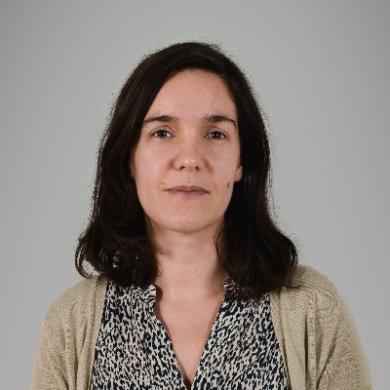
Ana Fernandes, PhD
Senior Research Officer

Sara Canato, PhD
Post-Doctoral Fellow
Publications
Bailey Lab
Fiorini, E., Malinova, A., Schreyer, D. et al. MYC ecDNA promotes intratumour heterogeneity and plasticity in PDAC. Nature 640, 811–820 (2025)
Xu, Z.*, Kurilov, R.*, An, J-Yu., Hu, K., Peccerella, T., Rössler, S., Pfütze, K., Schulz, A., Wolf, S., Hohmann, N., Heger, U., Springfeld, C., Büchler, M., Tjaden, C., Bergmann, F., Brors, B., Hackert,T.#, Fortunato, F.#, Neoptolemos, J.P.# and Bailey, P.# Persister cell phenotypes contribute to poor patient outcomes after neoadjuvant therapy. 2023. # co-corresponding. Nature Cancer 2023 4, 1362–1381
Bailey, P.#, Purdie, K., Bailey, U.M., Wang, J., Proby, C.M., Harwood, C.A., Sansom, O.J., Leigh, I.M., Inman, G.J.# 2023. Driver gene combinations dictate cutaneous squamous cell carcinoma disease continuum progression. Nature Communications 2023 14, 5211
Bailey P, Chang DK, Nones K, Johns AL, Patch AM, Gingras MC, et al. Genomic analyses identify molecular subtypes of pancreatic cancer. Nature. 2016;531(7592):47–52 Waddell N, Pajic M, Patch AM, Chang DK, Kassahn KS, Bailey P, et al. Whole genomes redefine the mutational landscape of pancreatic cancer. Nature. 2015;518(7540):495–501
Patch AM, Christie EL, Etemadmoghadam D, Garsed DW, George J, Fereday S, et al. Whole–genome characterization of chemoresistant ovarian cancer. Nature. 2015;521(7553):489–94. IF 38.13(>1556)
ICGC/TCGA Pan-Cancer Analysis of Whole Genomes Consortium. Pan-cancer analysis of whole genomes. Nature. 2020;578(7793):82. IF 49.96
Collisson EA, Bailey P, Chang DK, Biankin AV. Molecular subtypes of pancreatic cancer. Nature reviews Gastroenterology & hepatology. 2019;16(4):207–20
Sandelin A*, Bailey P*, Bruce S, Engström PG, Klos JM, Wasserman WW, et al. Arrays of ultraconserved non-coding regions span the loci of key developmental genes in vertebrate genomes. BMC genomics. 2004;5(1):1–9. * Co-first authors
